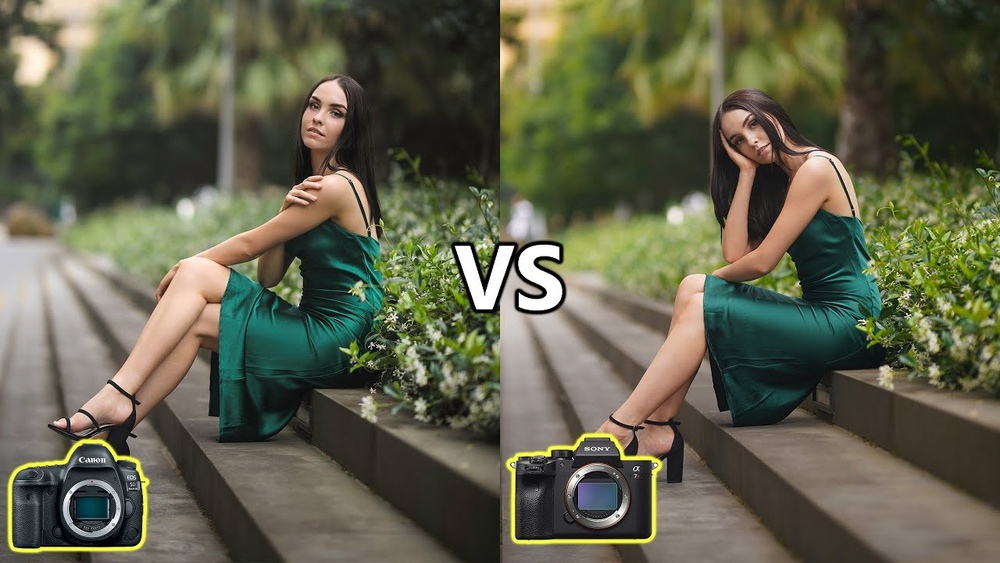
Choosing the right camera can feel overwhelming, especially when you’re deciding between a mirrorless camera and a DSLR. You want clear, sharp photos without the hassle of complicated gear.
But which one really fits your style and needs? This article will help you understand the key differences, so you can make a smart choice that boosts your photography skills. Keep reading, and discover which camera will bring your creative vision to life.

Credit: www.youtube.com
Mirrorless Cameras Basics
Mirrorless cameras are a popular choice for many photographers today. They offer a different design compared to traditional DSLR cameras. These cameras do not have a mirror inside, making them lighter and more compact. Many find them easy to carry and use in different shooting situations.
Understanding the basics of mirrorless cameras helps in choosing the right camera. It clarifies how they work and what features they offer. This knowledge supports better photography decisions.
How Mirrorless Cameras Work
Mirrorless cameras use a digital sensor to capture images. Unlike DSLRs, they do not have a mirror that flips up during shooting. Light passes directly through the lens to the sensor. This design allows for a smaller and lighter body. The camera shows the image on an electronic viewfinder or screen. This gives a real-time preview of the shot before capturing it.
Key Features Of Mirrorless Cameras
Mirrorless cameras have several important features. They offer fast autofocus systems that work well in different light conditions. Many models include in-body image stabilization. This helps to reduce blur from hand movement. The electronic viewfinder shows exactly what the sensor sees. Some cameras have touchscreen controls for easy menu navigation. Interchangeable lenses allow for creative flexibility. These features make mirrorless cameras a versatile tool for photography.
Dslr Cameras Essentials
DSLR cameras have shaped photography for decades. They offer reliable performance and solid build. Understanding their basics helps you choose the right camera for your needs.
DSLRs use a unique design that combines optics and mechanics. This design impacts how photographers see and capture images. Knowing how DSLRs work reveals why many prefer them.
How Dslrs Function
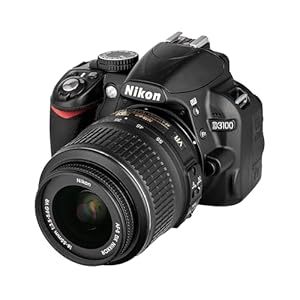
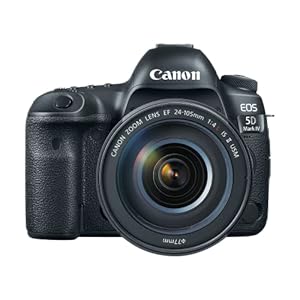
DSLR stands for Digital Single-Lens Reflex. It uses a mirror inside the camera body. The mirror reflects light from the lens to the viewfinder.
When you press the shutter, the mirror flips up. Light then hits the image sensor directly. This process lets you see exactly what the lens sees.
The optical viewfinder shows a clear, real-time image. No lag, no delay. This helps with quick focus and precise framing.
Distinctive Traits Of Dslrs
DSLRs are known for their durability and battery life. Their large bodies make them easy to hold steadily. This is useful for long shoots and heavy lenses.
They have fast autofocus systems. This works well in low light and fast action scenes. Many models offer a wide range of lenses and accessories.
DSLRs also provide excellent image quality. Their bigger sensors capture more detail and color. Photographers enjoy more control over settings and depth of field.
Image Quality Comparison
Image quality is a key factor in choosing between mirrorless cameras and DSLRs. Both types offer strong results but differ in some ways. Understanding these differences helps you pick the right camera for your photography needs.
Sensor Performance
Both mirrorless cameras and DSLRs use large sensors. These sensors capture light and detail in your photos. Mirrorless cameras often use newer sensor technology. This means better low-light performance and less noise. DSLRs have mature sensor designs with reliable image quality. Some high-end DSLRs still lead in dynamic range and color depth. Sensor size is similar in both types, usually APS-C or full-frame. The difference comes down to sensor design and processing speed.
Lens Compatibility
DSLRs have a wide range of lenses available. Many lenses have been made for decades. This gives you more choices for different photography styles. Mirrorless cameras have fewer native lenses but this gap is closing fast. Adapters allow mirrorless cameras to use DSLR lenses. Lens quality affects sharpness and image clarity. Choosing the right lens can improve your photos more than the camera body.
Speed And Autofocus
Speed and autofocus are key factors in photography. They affect how easily you capture sharp, clear images. Both mirrorless cameras and DSLRs have unique strengths in these areas. Understanding these differences helps you pick the right camera for your style and needs.
Autofocus Accuracy
Mirrorless cameras use on-sensor autofocus points. This lets them focus on many parts of the frame at once. They can track moving subjects smoothly. This is good for sports or wildlife shots. DSLRs rely on a separate autofocus sensor. Their autofocus works well in low light. It can be faster for some single shots. But it may struggle with continuous focus on moving subjects.
Shooting Speed Differences
Mirrorless cameras often shoot faster in burst mode. They can take many photos per second without mirror movement. This helps capture action scenes quickly. DSLRs have a mirror that flips up and down. This can limit their shooting speed. Still, some high-end DSLRs reach very fast burst rates. Battery life may affect speed too. Mirrorless cameras use electronic viewfinders, which save time between shots.
Portability And Design
Portability and design are key factors in choosing between mirrorless cameras and DSLRs. These features impact how easy the camera feels to carry and use. Photographers often want a camera that fits their style and travel needs. Both types offer unique benefits in size, weight, and handling.
Understanding these differences helps pick the best camera for daily use and special shoots.
Size And Weight
Mirrorless cameras are usually smaller and lighter than DSLRs. They lack the bulky mirror box found in DSLRs. This makes mirrorless models easier to carry for long periods.
DSLRs tend to be bigger because of their internal mirror system. The larger body helps balance big lenses but adds weight. Photographers who move a lot may prefer mirrorless for comfort.
Ergonomics And Handling
DSLRs have a larger grip, making them easier to hold steady. This suits users with bigger hands or long shoots. The physical buttons and dials are often more accessible on DSLRs.
Mirrorless cameras focus on a compact design but still offer good control. Some models have customizable buttons and touchscreens for quick settings. Handling feels lighter but may require adjustment for some users.
Battery Life Considerations
DSLR cameras usually have longer battery life than mirrorless models. This makes DSLRs better for long photo sessions without charging. Mirrorless cameras may need extra batteries for extended use.
Understanding Battery Life In Dslrs
DSLR cameras usually have longer battery life than mirrorless models. They use optical viewfinders that do not consume power. This helps save battery during shooting. Photographers can shoot many photos before recharging or changing batteries.
DSLR batteries are larger and designed for extended use. This suits long photo sessions or outdoor shoots. Carrying spare batteries is still a good idea for extra security.
Battery Performance In Mirrorless Cameras
Mirrorless cameras rely on electronic viewfinders and LCD screens. These parts use more battery power. As a result, mirrorless cameras often need more frequent charging.
Battery life can be shorter, especially when using live view or video recording. Some newer models improve this with better battery technology. Still, carrying an extra battery is important for long shoots.
Choosing Based On Your Battery Needs
Consider how long you plan to shoot without recharging. DSLR cameras fit better for long sessions or travel with limited charging options. Mirrorless cameras work well if you can recharge often or carry spares.
Think about your shooting style. Use a DSLR for long days or events. Use a mirrorless camera for shorter sessions or controlled environments. Battery life matters for uninterrupted photo work.
Viewfinder And Screen Options
The viewfinder and screen options play a big role in camera use. They help you see the scene before you take a photo. These features affect how easy and clear it is to frame your shot. Different cameras offer different types of viewfinders and screens. This section compares these options to help you choose the best fit.
Electronic Vs Optical Viewfinders
Mirrorless cameras use electronic viewfinders (EVF). They show a digital preview of the image. You see exactly what the camera sensor captures. This helps in adjusting settings and exposure before shooting.
DSLRs use optical viewfinders (OVF). These use mirrors to show the real scene through the lens. The view is natural and lag-free. But it does not show exposure or color changes in real time.
EVFs offer extra info like histograms and focus peaking. OVFs provide a clear, bright view without battery use. EVFs may lag or have lower resolution in some models. OVFs may be harder to use in low light.
Screen Flexibility
Mirrorless cameras often have fully articulating or tilting screens. You can flip or turn the screen to shoot from many angles. This helps in taking selfies, low or high shots, and videos.
DSLR screens usually tilt or are fixed. They offer less flexibility for composing tricky shots. Some DSLR models have touchscreen functions, but fewer move in many directions.
Flexible screens on mirrorless cameras improve ease and creativity. Fixed or limited screens on DSLRs may slow down some shooting styles. Think about how you shoot before choosing a screen type.
Video Capabilities
Video capabilities are a key factor in choosing between mirrorless cameras and DSLRs. Both types can record videos, but their strengths differ. Understanding these differences helps pick the right camera for your needs.
Mirrorless Cameras And Video Quality
Mirrorless cameras often offer higher video resolution. Many models support 4K video recording. They provide better autofocus during video. This keeps subjects sharp and clear. The electronic viewfinder helps frame shots precisely.
Dslrs And Video Performance
DSLRs usually have good video quality but may lack 4K in some models. Their autofocus in video mode is slower. Optical viewfinders do not show the video preview. Some users prefer the traditional feel of DSLRs for video.
Portability And Video Shooting
Mirrorless cameras are lighter and smaller. This makes handheld video shooting easier. They fit better with gimbals and stabilizers. DSLRs tend to be bulkier and heavier. This can cause fatigue during long video sessions.
Lens Options For Video
Both cameras have many lens choices. Mirrorless lenses are often designed with smooth focus rings. This helps create professional-looking videos. DSLR lenses are varied and reliable. Some video shooters prefer the range and availability.
Price And Budget Factors
Price and budget play a big role in choosing between mirrorless cameras and DSLRs. Both types come in many price ranges. Deciding which fits your wallet is important before buying. Costs involve more than the camera body. Lenses, accessories, and future upgrades add up quickly. Understanding these costs helps plan your spending well. This section breaks down initial costs and long-term investments. It guides you on managing your photography budget smartly.
Initial Cost
Mirrorless cameras usually cost more at first. They have newer technology and compact designs. Some entry-level mirrorless models are affordable, but higher-end ones can be pricey. DSLRs often have a lower starting price. Many budget-friendly DSLR kits come with a lens. This makes them attractive for beginners. Still, price depends on brand and features. Consider what you get for the price. Sometimes paying a bit more means better quality and options.
Long-term Investment
Think about future costs beyond the camera body. Lenses for DSLRs can be cheaper and more available. Mirrorless lenses tend to be newer and might cost more. Accessories like batteries and memory cards add to expenses. Mirrorless cameras use batteries faster, which means buying extras. Upgrading parts over time affects total spending. Selling gear later can recover some costs. Choose a system with good resale value. This helps manage your budget in the long run.

Credit: vixencomposites.com
Best Use Cases
Choosing the right camera depends on what kind of photos you want to take. Both mirrorless and DSLR cameras have strengths for different types of photography. Understanding the best use cases helps you pick the camera that fits your needs.
Portrait Photography
Mirrorless cameras offer sharp focus and good color accuracy for portraits. Their smaller size makes them easy to handle during long shoots. Many have face and eye detection to keep subjects clear. DSLRs provide excellent depth of field control and rich image quality. They often have more lens choices for creative portraits. Both types deliver stunning portraits but differ in handling and features.
Sports And Action
DSLRs usually have faster autofocus and longer battery life. They are built for quick, continuous shooting, capturing fast moments well. Mirrorless cameras are catching up with faster shooting speeds and silent shooting modes. Their compact size helps in moving quickly and quietly. For sports, DSLRs still lead in durability and speed, but mirrorless cameras offer more stealth and portability.
Travel And Street Photography
Mirrorless cameras shine in travel and street photography due to their light weight. They fit easily in bags and are less noticeable on the street. Quick autofocus and silent shooting help catch candid moments. DSLRs can be bulky and draw attention but offer robust build and longer battery life. For travelers wanting to travel light, mirrorless cameras are often the better choice.
Conclusion
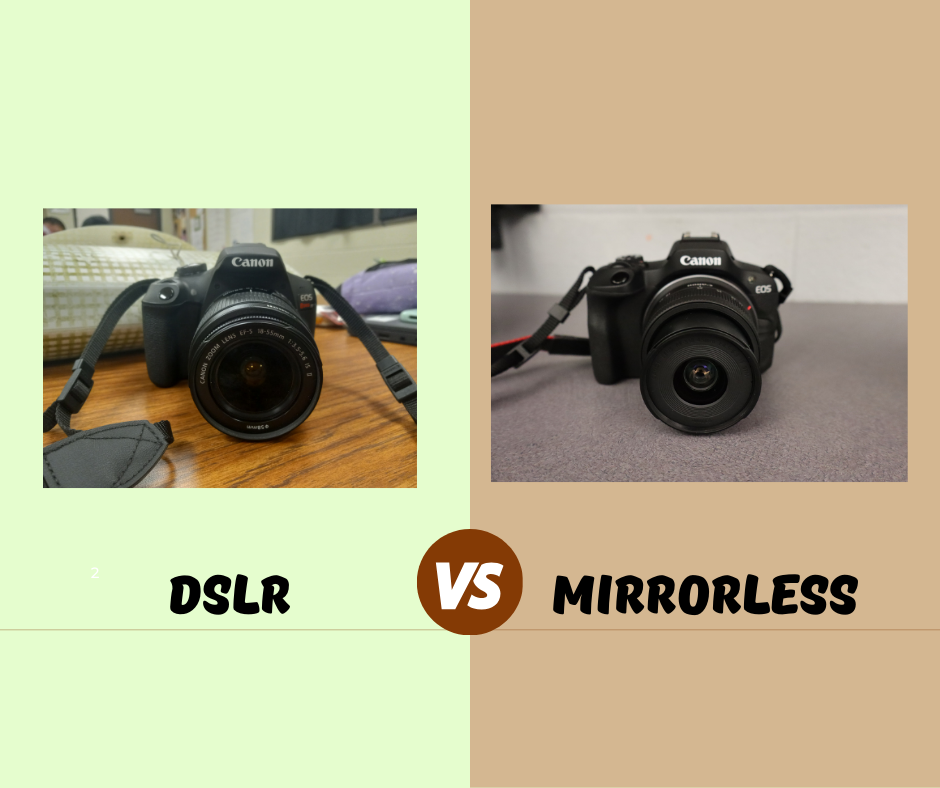
Choosing between mirrorless cameras and DSLRs depends on your needs and style. Mirrorless cameras offer light weight and fast shooting. DSLRs provide longer battery life and a solid feel. Both types capture great photos with good lenses. Think about what matters most: size, speed, or viewfinder type.
Your budget also plays a key role in deciding. Both cameras serve beginners and pros well. The best choice fits your comfort and photo goals. Take your time and enjoy the process of learning photography.
Trending Products